If you are thinking about buying a rental in Burbank, here is the straight talk: finding a tenant is usually not the hard part. The bigger challenge is buying at a price that still makes sense once you factor in financing, repairs, HOA dues, and California and Burbank tenant rules. If you want to invest with fewer surprises, this guide will help you understand where the numbers can get tight, which property types deserve a closer look, and what due diligence matters most before you write an offer. Let’s dive in.
Burbank rental market basics
Burbank has a large renter base and a housing mix that gives small investors more than one path into the market. According to Burbank’s 2021-2029 Housing Element, the city had 44,978 housing units in 2020, with 44.3% detached single-family homes, 10.5% in 2 to 4 unit buildings, and 40.6% in 5+ unit buildings. SCAG data also showed 24,138 renter-occupied units versus 17,367 owner-occupied units, with a 4.8% vacancy rate.
That tells you two important things. First, rentals are a major part of the local housing picture. Second, Burbank is not just a single-family market, so condos, duplexes, and small multifamily properties are all worth evaluating depending on your budget and goals.
The pricing side is where many first-time investors need to slow down. As of March 31, 2026, Zillow reported an average home value of $1,200,885 and a median sale price of $1,206,000 in Burbank. Zillow also showed an average rent of $2,550 as of May 8, 2026.
Using those public numbers, the rough annual gross rent-to-value ratio comes out to about 2.5% before expenses. That is not a full investment analysis, but it is a useful reality check. In plain English, Burbank often looks more like an appreciation and leverage market than a high cash flow market.
Why underwriting matters more in Burbank
In a market like Burbank, a property can look promising on the surface and still underperform once the real costs show up. Property taxes, insurance, maintenance, vacancy, utilities, repairs, HOA dues, and financing can quickly change the picture. If you only underwrite to asking rent, you can end up buying a property that feels busy but does not actually produce strong returns.
Older housing stock adds another layer. The local profile shows that the largest share of Burbank housing was built in 1940-1949. Older properties can offer character and strong locations, but they can also bring more repair exposure, deferred maintenance, and turnover costs.
That does not mean Burbank is a bad place to invest. It means you need to buy with discipline. The deal is made on the buy side, not after the closing.
Property types to consider
Single-family homes and ADUs
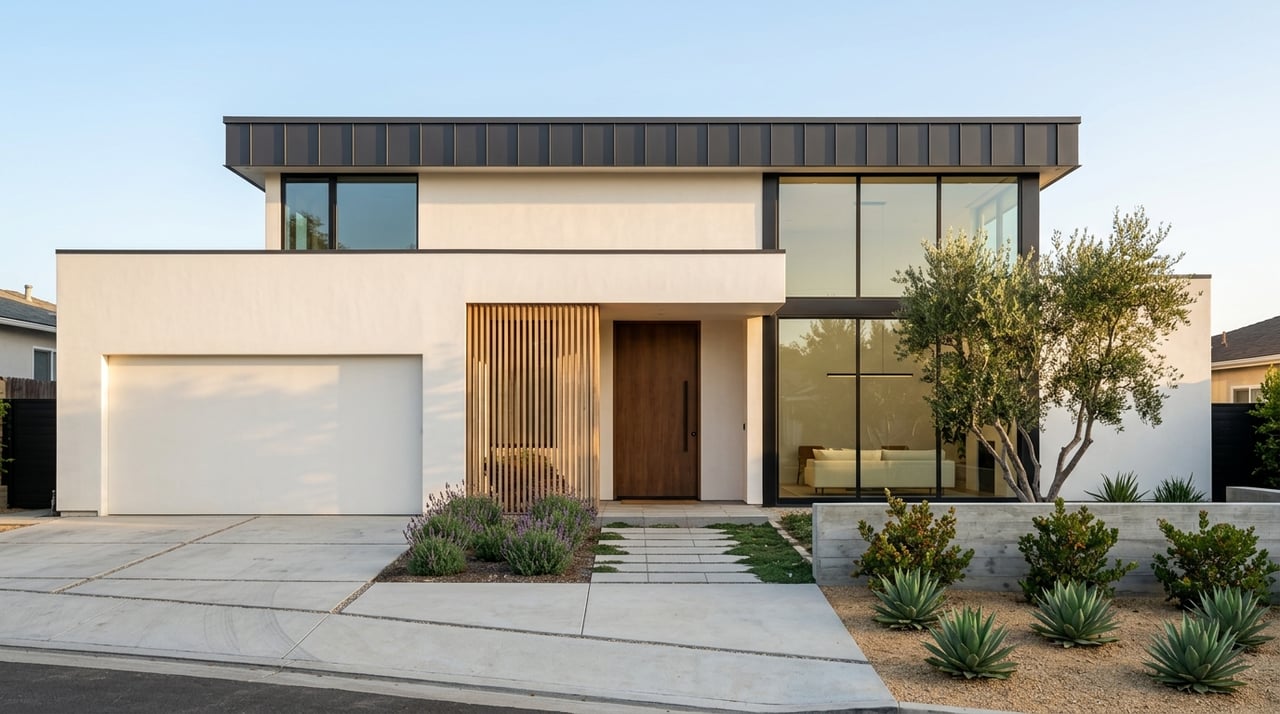
Detached single-family homes are Burbank’s most common housing type. For many small investors, that makes them familiar and easier to understand from a resale standpoint. They can also appeal to buyers later if you decide to sell instead of hold long term.
An ADU can make a single-family property more interesting. The City of Burbank allows ADUs to be attached or detached on the same parcel as a single-family dwelling, and they can be rented to a third party. The city also reported 542 ADU permits issued from 2019 through 2021, averaging 181 per year.
That matters because an existing ADU, or realistic ADU potential, may create an extra income stream. But it also adds complexity around permitting, utilities, construction cost, and management. If you are looking at this strategy, make sure you understand the real cost and timeline, not just the upside.
Condos and townhomes
Condos often offer a lower entry point than detached homes. Redfin currently shows 23 condos for sale in Burbank with a median listing price of $699,000. For an investor trying to enter the market without stretching into seven figures, that may sound attractive.
The tradeoff is that a lower purchase price does not always mean a better rental deal. HOA dues can take a meaningful bite out of your monthly income, and building rules can affect leasing, renovations, or day-to-day operations. Before you buy, review the HOA documents closely and underwrite the dues as a fixed operating cost, not an afterthought.
Duplexes and small multifamily
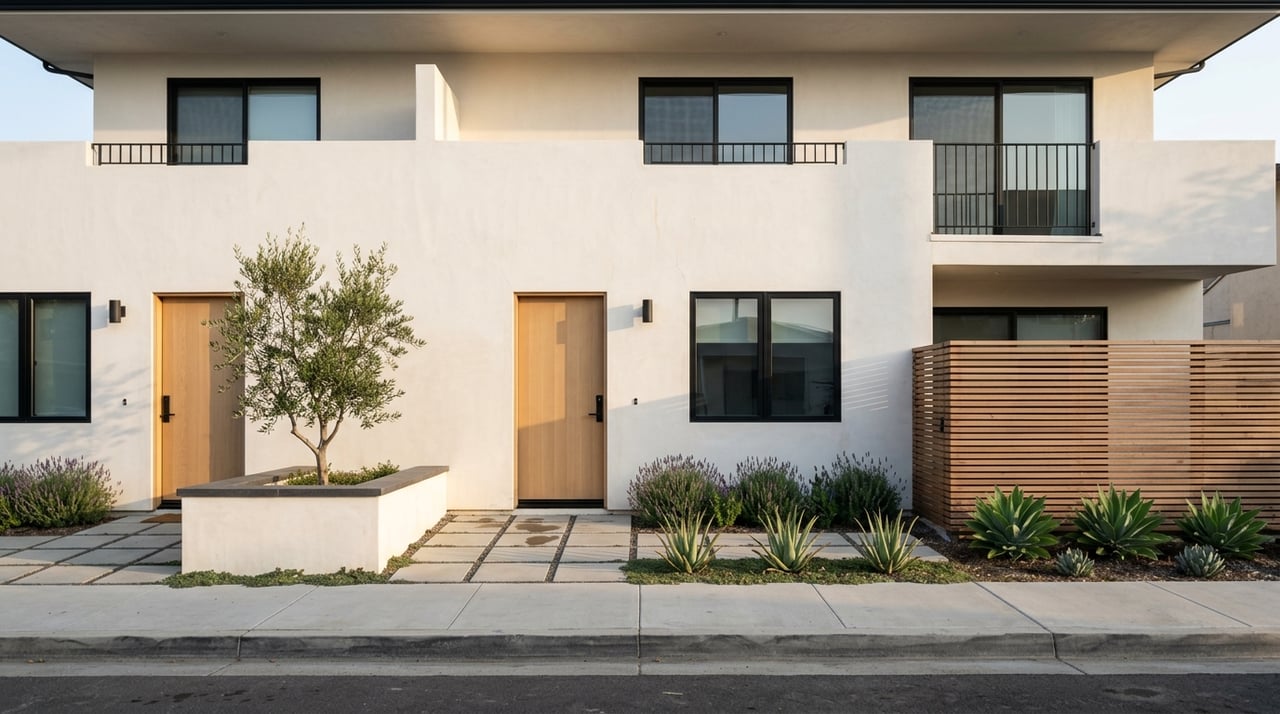
Two-to-four-unit properties are often where small investors start to get more serious about rental income. Burbank’s housing stock includes a meaningful share of 2 to 4 unit buildings, and Redfin currently shows 22 multi-family homes for sale with a median listing price of $1.3 million. These properties can spread vacancy risk across more than one unit, which is useful if your budget allows.
Still, you have to verify the actual income. One current 4-unit Burbank listing reports $4,500 in monthly gross rent from three occupied units, which is a good reminder that headline numbers do not tell the full story. You need to confirm the rent roll, occupancy, lease terms, deposits, and whether rents are at market or below market.
Burbank tenant rules can affect your numbers
This is where many small investors get caught off guard. In California and Burbank, rental rules are not just background details. They can directly affect rent growth, turnover timing, renovation plans, and exit strategy.
California’s Tenant Protection Act, commonly known as AB 1482, provides just-cause eviction protections for many covered tenants after 12 months of lawful occupancy. It also caps annual rent increases at 5% plus CPI, or 10%, whichever is lower. For fixed-term leases, rent generally cannot be increased during the term unless the lease allows it.
Burbank’s Tenant Protection Ordinance has been in effect since August 31, 2024 and applies to residential rental units covered by AB 1482. The city and state also recognize exemptions for certain properties, including many single-family homes and condos if the owner is not a REIT, corporation, or LLC with a corporate member and if the proper written exemption notice is given. Other exemptions can include units with a certificate of occupancy issued within the past 15 years and owner-occupied duplexes.
This is why year built, certificate of occupancy date, ownership structure, and lease paperwork matter so much. A property that is exempt may operate very differently from one that is fully covered. If you assume exemption without confirming it, you can underwrite the property wrong from day one.
Turnover can be more expensive than expected
No-fault move-out situations are another area where investors need to be careful. Burbank generally requires relocation assistance equal to three months of the tenant’s current rent for no-fault terminations, although the city’s current FAQ states that a legitimate owner move-in follows the state’s one-month minimum instead. That difference can matter a lot if you are buying with a plan to recover possession or renovate later.
Substantial remodel is also not a shortcut. Burbank requires permits, plan-check documentation if needed, copies for the tenant, and a written explanation of why the work cannot be safely completed with the tenant in place. Cosmetic work alone does not qualify.
If your investment plan depends on quickly vacating a unit, doing light cosmetic updates, and resetting rent, you need to slow down and verify what is actually allowed. In Burbank, process matters.
Older housing means real repair reserves
Because much of Burbank’s housing stock is older, maintenance reserves should be part of your underwriting from the beginning. California requires landlords to keep rental units habitable and repair substantial defects affecting health and safety. In practice, that means you cannot treat maintenance as optional or assume every issue can wait.
This is especially important if you are buying a property that has been landlord-owned for a long time. Deferred maintenance often hides in plumbing, electrical systems, roofing, windows, drainage, and heating or cooling systems. If the numbers only work when nothing goes wrong, the numbers probably do not work.
The due diligence checklist that matters
Before you write an offer on a Burbank rental, focus on the items that can affect income, compliance, and future flexibility.
Confirm the property’s rule set
Start by verifying:
- Year built
- Certificate of occupancy date
- Current ownership structure
- Whether the proper exemption notice has been given, if applicable
- Lease type and occupancy timeline
These details help you understand whether AB 1482 and Burbank’s local ordinance apply, and how they may affect rent increases or tenancy changes.
Review the income and lease file
Ask for the documents that show the actual rental story, not the marketing version.
- Current rent roll
- Copies of leases and amendments
- Security deposit records
- Payment history if available
- Notice history, if relevant
This is the only way to know whether the current income is stable, below market, or at risk of change.
Check condition and complaint history
Condition issues can quickly become operational issues. Burbank’s Housing Enforcement Unit receives and investigates housing complaints and can enforce housing law violations administratively and civilly. That means unresolved property issues are not something to shrug off.
Before moving forward, review:
- Repair history
- Any known habitability concerns
- Open city complaints, if any
- Needed capital improvements
Read HOA documents on condos
If you are buying a condo or townhome, do not stop at the monthly dues. Review the HOA rules, budget, and any limits that could affect leasing or future costs. Some listings already show HOA charges on active Burbank condos, so this is a real underwriting factor.
When professional help can save you money
Some owners want to self-manage, and that can work if you are local, organized, and comfortable with the process. But in a market with older housing, detailed turnover rules, deposit accounting requirements, and active local enforcement, sloppy management can get expensive. Sometimes the best value is not just finding the property. It is setting it up correctly from the start.
Professional support can be especially useful if you live out of the area, own more than one unit, or simply do not want to manage repairs, notices, and leasing details yourself. In Burbank, good operations are part of the investment strategy, not a side task.
What small investors should take away
If you are buying rentals in Burbank, go in with clear eyes. This market can offer long-term potential, a strong renter base, and several property types to choose from, but it is not a market where loose assumptions usually work. High prices, moderate rents, older homes, HOA costs on some properties, and tenant protection rules all put pressure on your margins.
The investors who tend to do better here are the ones who stay detail-oriented. They verify exemption status, study lease files, budget real reserves, and buy with a plan that still works after the easy assumptions are stripped out. That is the kind of disciplined approach that helps you avoid a costly lesson.
If you want a straight answer on whether a Burbank rental looks workable, or you need help evaluating a condo, single-family home, or small multifamily property, reach out to Daniel Shalvardzhyan for direct, local guidance.
FAQs
What should small investors know about Burbank rental cash flow?
- Burbank often looks more like an appreciation market than a high cash flow market, with public data suggesting a rough gross rent-to-value ratio of about 2.5% before expenses.
Are single-family rentals in Burbank exempt from tenant protection rules?
- Some may be exempt, but you need to verify ownership structure and confirm the proper written exemption notice was given before assuming that.
Do condos in Burbank make good rental investments?
- They can be a lower-cost entry point, but HOA dues and building rules can significantly affect your net income and flexibility.
What should buyers review before buying a Burbank duplex or fourplex?
- Review the rent roll, leases, occupancy status, security deposit records, repair history, and any open city complaints before writing an offer.
Can an ADU help a Burbank rental property perform better?
- It can create added income potential, but you still need to evaluate permitting, utility setup, build cost, and management complexity.
How does Burbank affect rental turnover planning?
- Burbank’s local tenant rules can affect notice requirements, relocation assistance, and substantial remodel plans, so turnover strategy needs to be planned carefully in advance.