Wondering if La Crescenta-Montrose can give you a manageable commute without giving up the foothill lifestyle? That is a fair question, especially if you work in Glendale, Burbank, or Pasadena and want to balance drive time, home type, and price. The short answer is yes, for the right buyer, but the numbers show it is more of a car-friendly residential base than a transit-first shortcut. Let’s break down what that means for you.
La Crescenta-Montrose Commute Snapshot
If you are comparing commute times alone, La Crescenta-Montrose holds up reasonably well. Census QuickFacts shows a mean travel time to work of 29.9 minutes in La Crescenta-Montrose. That compares with 27.3 minutes in Glendale, 26.4 minutes in Burbank, and 27.3 minutes in Pasadena.
So, no, La Crescenta-Montrose is not the clear winner if your only goal is the shortest average trip. But it is also not far behind. In plain terms, you are looking at a modest difference that may feel acceptable if you want the foothill setting and housing style the area offers.
Why Commute Time Is Only Part of It
A lot of buyers make the mistake of looking at one average number and stopping there. In reality, your experience depends heavily on where you work, when you leave, and whether you plan to drive the whole way or mix in bus or rail. That is why it makes more sense to map your exact workplace than rely on a blanket claim about the area.
For most people here, driving is still the default. The broader Glendale-Burbank-Pasadena corridor gives you access to regional transit options, but La Crescenta-Montrose itself reads more like an auto-oriented foothill community than a place built around rail convenience.
Transit Options Near La Crescenta-Montrose
If you do not want to rely only on a car, there are still options worth knowing about.
Glendale Beeline Service
Glendale Beeline operates 12 fixed routes serving La Crescenta and Montrose. It describes itself as a community circulator that complements Metro service. That can be useful for local connections and short trips into surrounding areas.
Metro Micro in Nearby Zones
Metro Micro is available in nearby service zones including North Hollywood/Burbank, Highland Park/Eagle Rock/Glendale, and Altadena/Pasadena/Sierra Madre. For some commuters, that can help with first-mile and last-mile planning in the broader area.
Rail Access Is Nearby, Not In Town
La Crescenta-Montrose does not have its own major rail station in the neighborhood. Nearby access points include the Glendale Metrolink station, which offers Metrolink and Amtrak service, and Burbank Airport-North, which offers AV Line service plus Metro and BurbankBus connections.
That matters because rail is available, but it is not at your doorstep. If you want easy station access as part of your daily routine, you will want to test that route carefully before you buy.
Walkability and Daily Convenience
Walkability helps shape how a place feels for commuters. Redfin gives La Crescenta-Montrose a Walk Score of 53. That is lower than Glendale and Burbank at 71 and Pasadena at 69.
That does not mean you cannot run errands or enjoy parts of the area on foot. It does mean the overall setup is less walkable than some nearby cities. If you want a lifestyle where you can leave the car parked more often, Glendale, Burbank, or Pasadena may offer more flexibility.
Housing Choices for Commuters
This is where La Crescenta-Montrose really starts to separate itself.
The area had just 3 condos, 1 townhouse, and 2 multi-family units for sale last month. Compare that with Glendale, which had 90 condos, 23 townhouses, and 32 multi-family units. Burbank had 33 condos, 18 townhouses, and 29 multi-family units, while Pasadena had 149 condos, 27 townhouses, and 32 multi-family units.
What does that tell you? La Crescenta-Montrose offers a much tighter supply of attached housing. If you are a buyer hoping for lots of condo or townhome options near work, you will likely find more choices in the nearby job centers.
Best Fit for Detached-Home Buyers
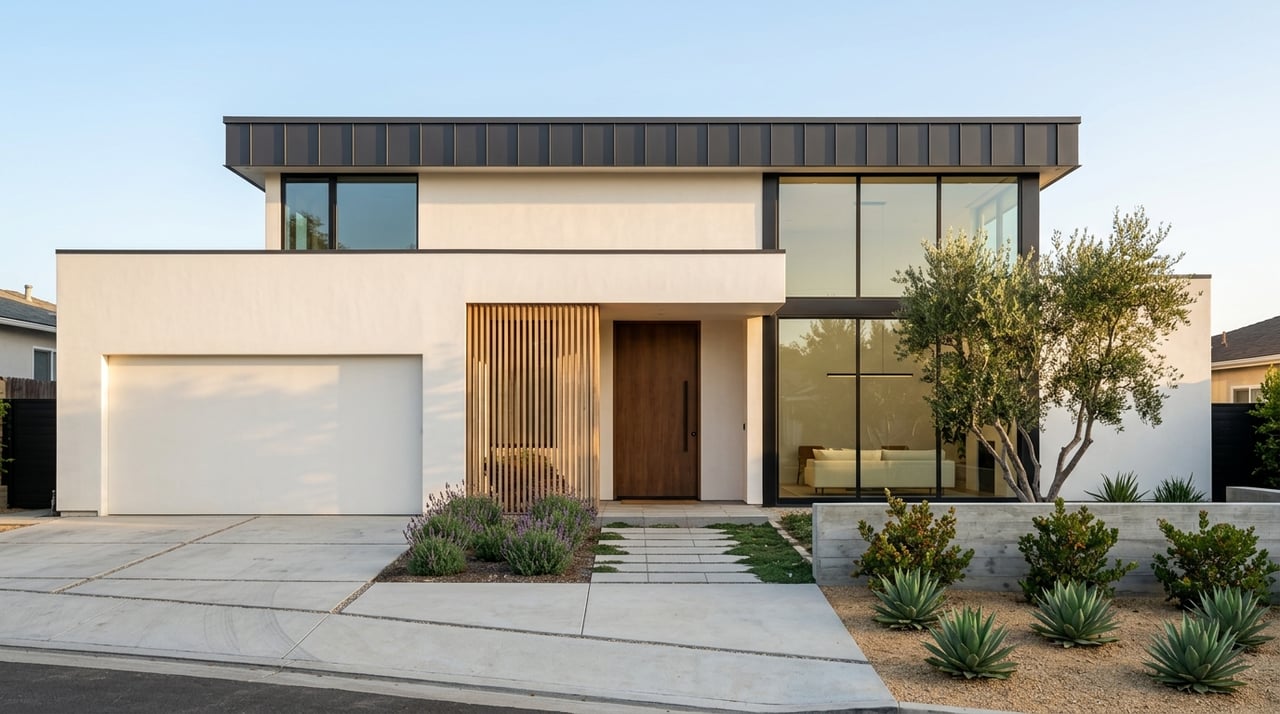
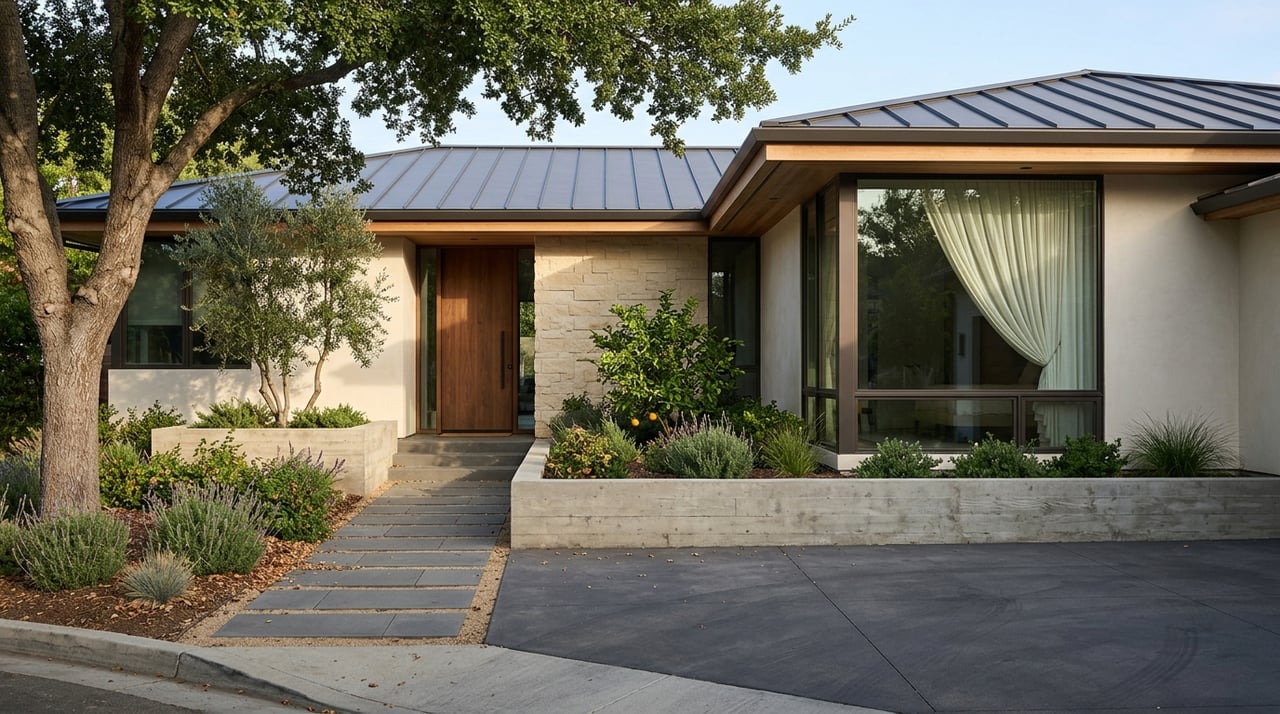
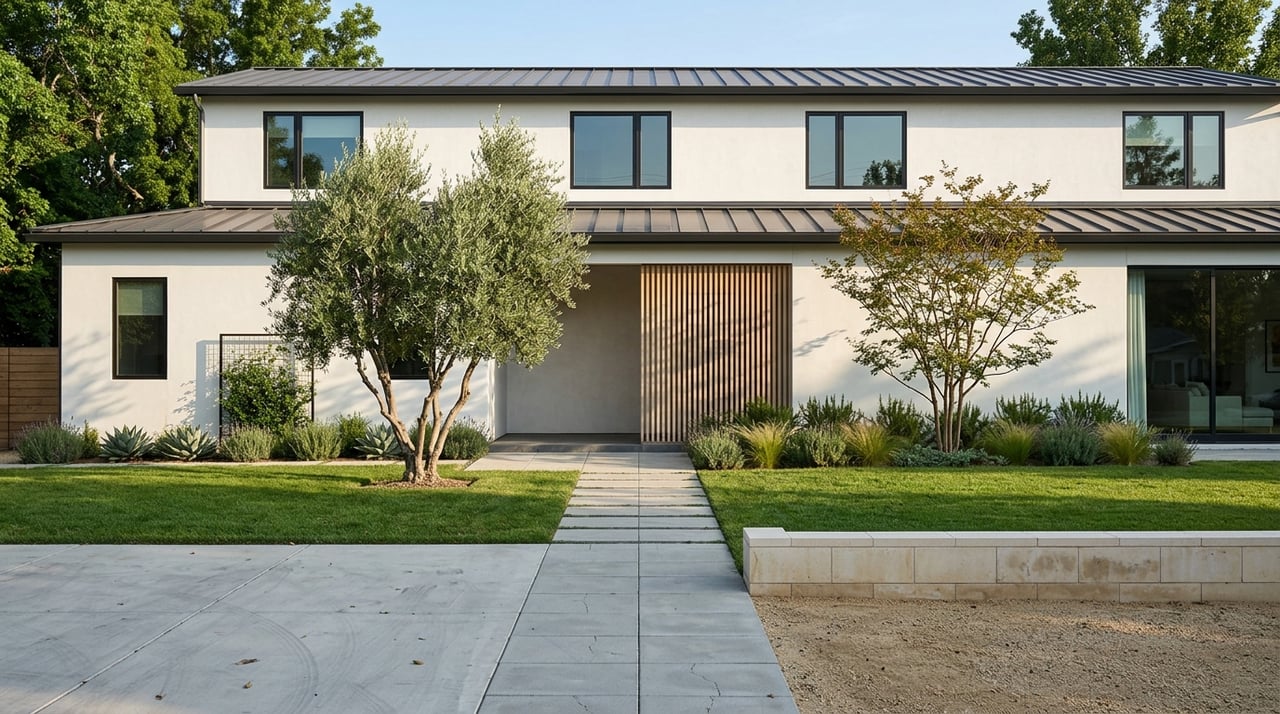
If your goal is a detached home in a foothill setting, La Crescenta-Montrose starts to make more sense. The limited condo and townhome inventory suggests the area leans more toward traditional single-family living. For some buyers, that tradeoff is worth a slightly longer average commute.
Price Matters Too
Here is the part many buyers do not expect. La Crescenta-Montrose is not the budget-friendly fallback in this group.
Redfin’s March 2026 snapshot shows a median sale price of $1.36 million in La Crescenta-Montrose, with homes selling in about 21 days. That compares with $1,018,750 in Glendale, $1,160,000 in Burbank, and $1,253,000 in Pasadena.
So if you are thinking, “Maybe I will trade a slightly longer commute for a lower price,” the current data does not support that. In fact, buyers are paying a premium for this foothill location while still competing in a fairly fast-moving market.
Is La Crescenta-Montrose a Smart Choice?
For the right buyer, yes. But it depends on what you value most.
La Crescenta-Montrose is a smart choice if you want a more residential foothill setting, plan to drive most days, and prefer detached-home living. The commute data puts it in the same general 26 to 30 minute average band as nearby cities, even if it is not the shortest on paper.
It is less compelling if your priority list starts with the shortest trip, frequent rail access, or a broad range of condo and townhome options. It is also not the obvious pick if you are looking for a lower price point than Glendale, Burbank, or Pasadena.
A Straight-Talk Buyer Checklist
If you are considering La Crescenta-Montrose, here is the practical way to evaluate it:
- Map your exact work address, not just the city
- Test your commute at the time you would actually travel
- Decide whether you are comfortable with a mostly car-oriented setup
- Compare detached-home options against condo and townhome choices in nearby cities
- Look at price, inventory, and daily convenience together, not separately
That last point matters. A neighborhood can be a good fit on paper and still not match how you actually live day to day.
What This Means for Your Home Search
If you are choosing between La Crescenta-Montrose, Glendale, Burbank, and Pasadena, the decision usually comes down to tradeoffs. La Crescenta-Montrose gives you access to the corridor and a reasonable average commute, but not the best transit convenience or the widest range of attached housing. What you may get in return is the foothill environment and housing style many buyers specifically want.
That is why there is no one-size-fits-all answer here. The smart move is to match the location to your routine, budget, and preferred home type, then pressure-test the commute before you make an offer.
If you want a clear, no-fluff read on which foothill or nearby city makes the most sense for your budget and commute, reach out to Daniel Shalvardzhyan. He will help you compare the tradeoffs, narrow the search, and move with a plan.
FAQs
Is La Crescenta-Montrose good for commuting to Glendale, Burbank, or Pasadena?
- Yes, it can be a practical base for those job centers, with a mean commute time of 29.9 minutes, though it is slightly longer on average than Glendale, Burbank, and Pasadena.
Is La Crescenta-Montrose a transit-friendly neighborhood for commuters?
- It has bus access through Glendale Beeline and nearby regional transit connections, but it is better described as a mostly car-oriented area than a transit-first neighborhood.
Is La Crescenta-Montrose cheaper than Glendale, Burbank, or Pasadena?
- No. The research shows a median sale price of $1.36 million in La Crescenta-Montrose, which is higher than the current figures listed for Glendale, Burbank, and Pasadena.
Does La Crescenta-Montrose have many condos and townhomes for sale?
- No. Recent inventory was very limited, with only 3 condos and 1 townhouse for sale last month, far fewer than nearby Glendale, Burbank, or Pasadena.
Who is La Crescenta-Montrose best suited for as a commuter location?
- It is best suited for buyers who are comfortable driving, want a foothill residential setting, and prefer detached-home living over a condo- or rail-oriented lifestyle.