If you are thinking about living in Studio City, the first question is usually simple: what is day-to-day life actually like? You want more than a map pin or a few listing photos. You want to know how the housing stock feels, where you will grab dinner on a busy weeknight, and whether the commute will work for your routine. This guide breaks down housing, dining, and transportation in Studio City so you can get a clear, practical picture before you make a move. Let’s dive in.
Studio City at a Glance
Studio City is a neighborhood in Los Angeles, not a separate city. It sits in the southeast San Fernando Valley and has long-standing film industry roots tied to the studio corridor in the area.
In everyday life, Ventura Boulevard is the center of activity. It is the main restaurant and retail strip, while nearby parks, trails, and the LA River Greenway add some breathing room to the neighborhood feel. That mix gives Studio City a balance of active commercial pockets and quieter residential streets.
The neighborhood covers about 5.727 square miles, according to the Studio City Chamber. It feels compact compared with some larger Valley areas, which is part of the appeal if you want access to daily essentials without feeling far removed from the rest of Los Angeles.
Studio City Housing Costs
Let’s be direct: Studio City is expensive by most standards. Zillow places the average home value at about $1.60 million and the median sale price at about $1.78 million, while Redfin shows a recent median sale price of $1.97 million and about $760 per square foot.
Those numbers matter because they shape what your options look like. If you are buying, you should expect a competitive price point relative to many other Valley neighborhoods. If you are selling, that pricing strength is one reason Studio City continues to draw attention from buyers who want location, convenience, and neighborhood identity.
Market pace is also worth noting. Zillow shows roughly 165 homes for sale with about 28 days to pending, which suggests inventory exists but well-positioned homes can still move relatively quickly.
Studio City Housing Types
Studio City does not offer just one type of home. The neighborhood includes detached single-family homes, attached units, apartments, condominiums, and multi-family properties.
That variety comes from how the area developed over time. Planning history shows Studio City was built with residential subdivisions tied to the surrounding commercial and studio areas, and later Valley growth added more apartments and condo-style housing.
For you, that means the search can look very different depending on your budget and goals. Some buyers focus on single-family homes in older residential pockets, while others target condos or townhome-style properties for a lower entry point and less exterior maintenance.
Home Styles and Neighborhood Character
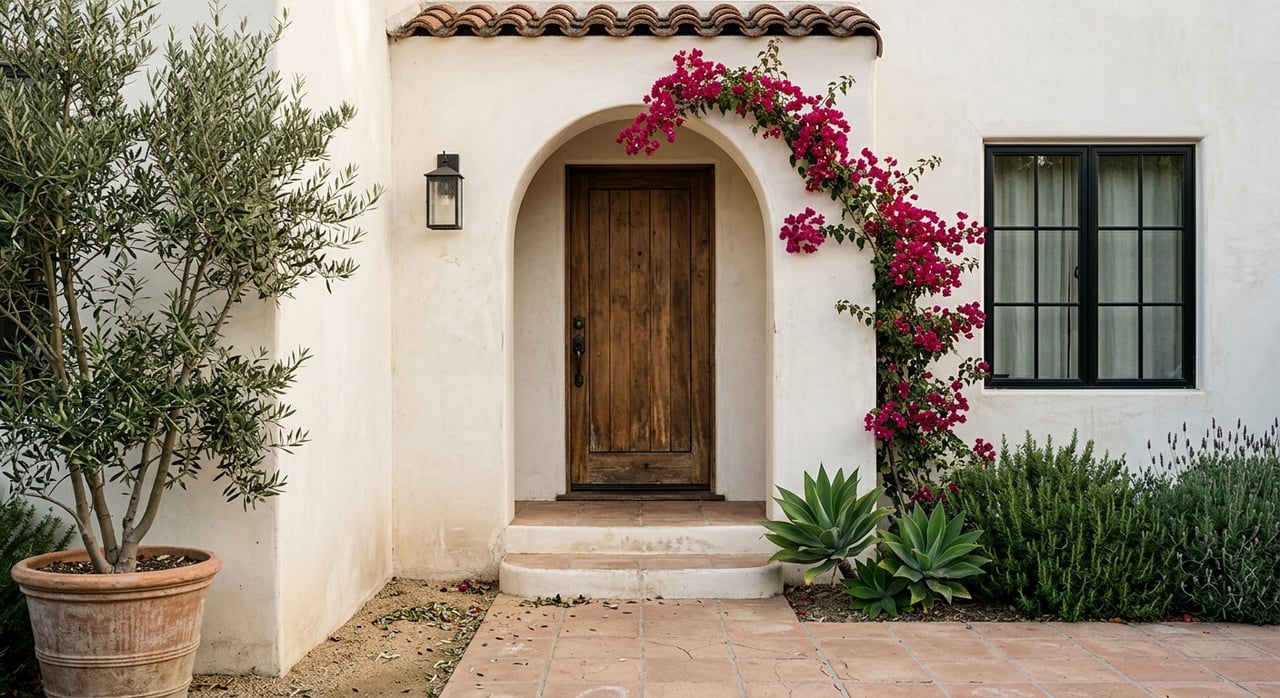
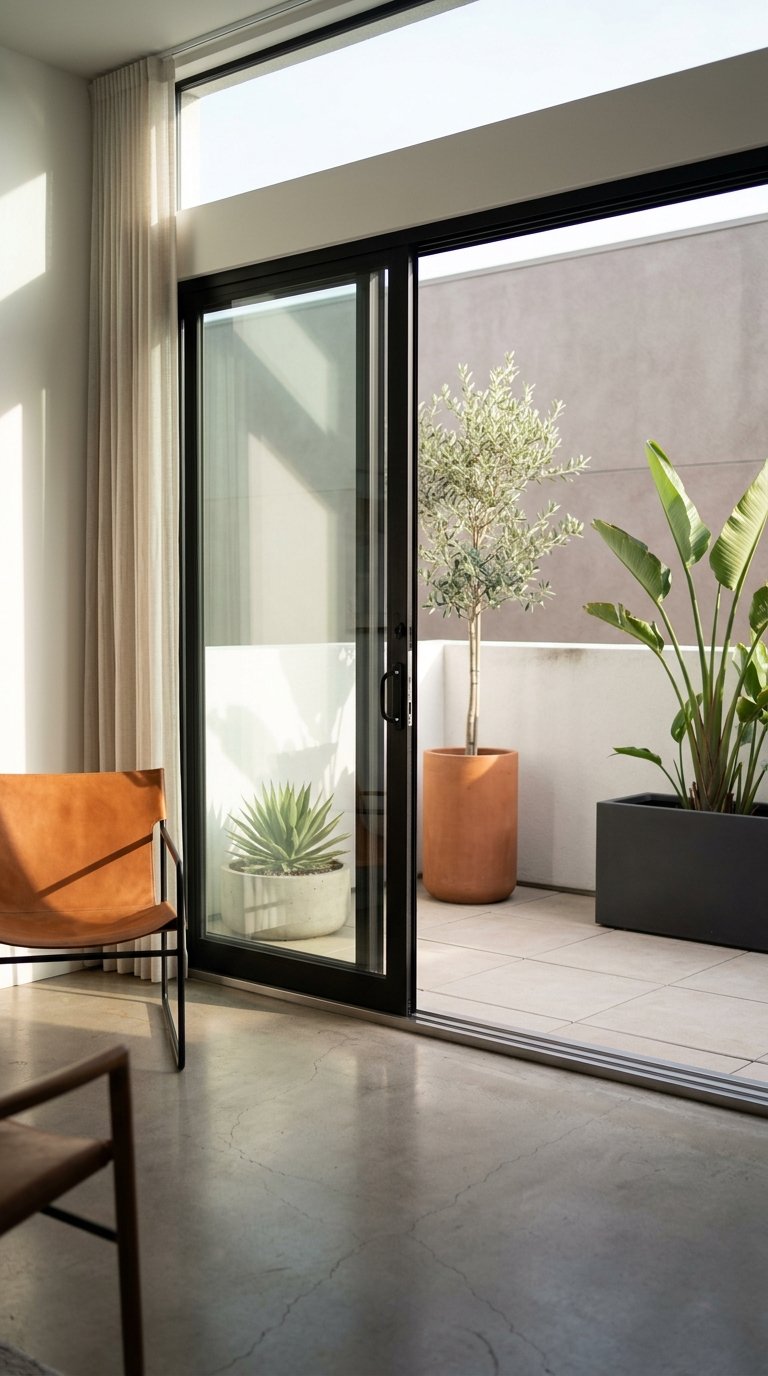
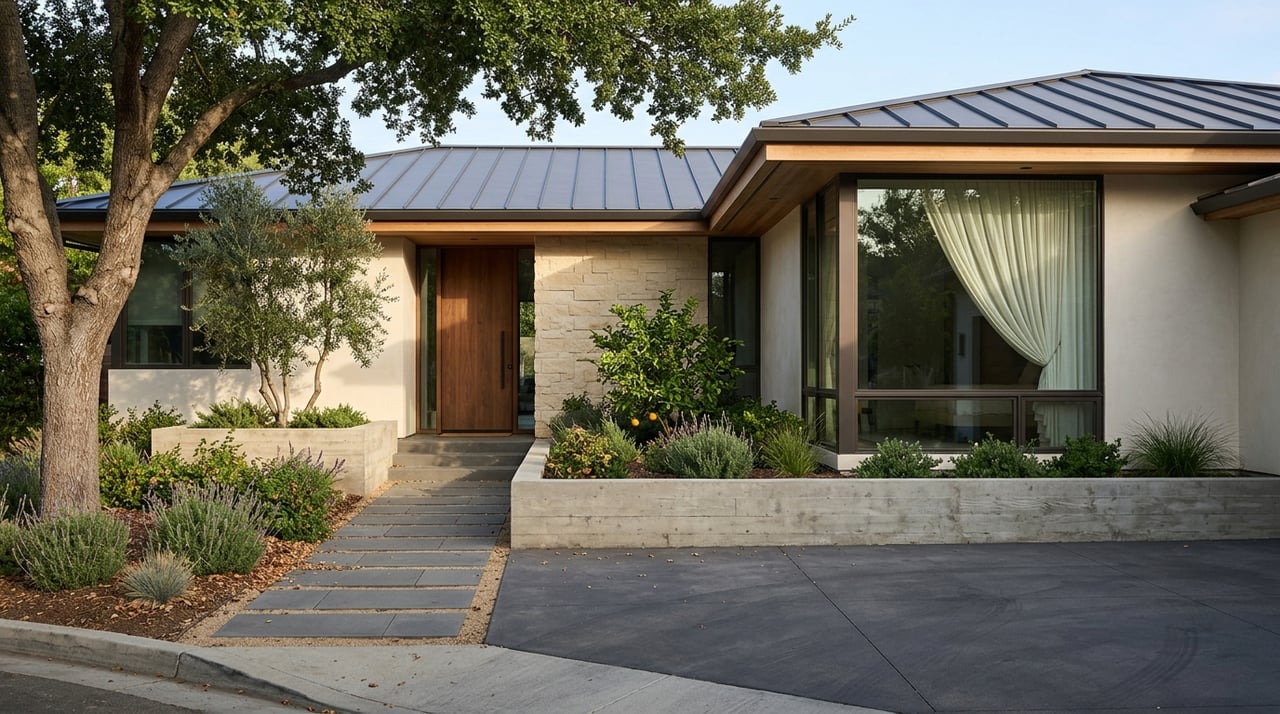
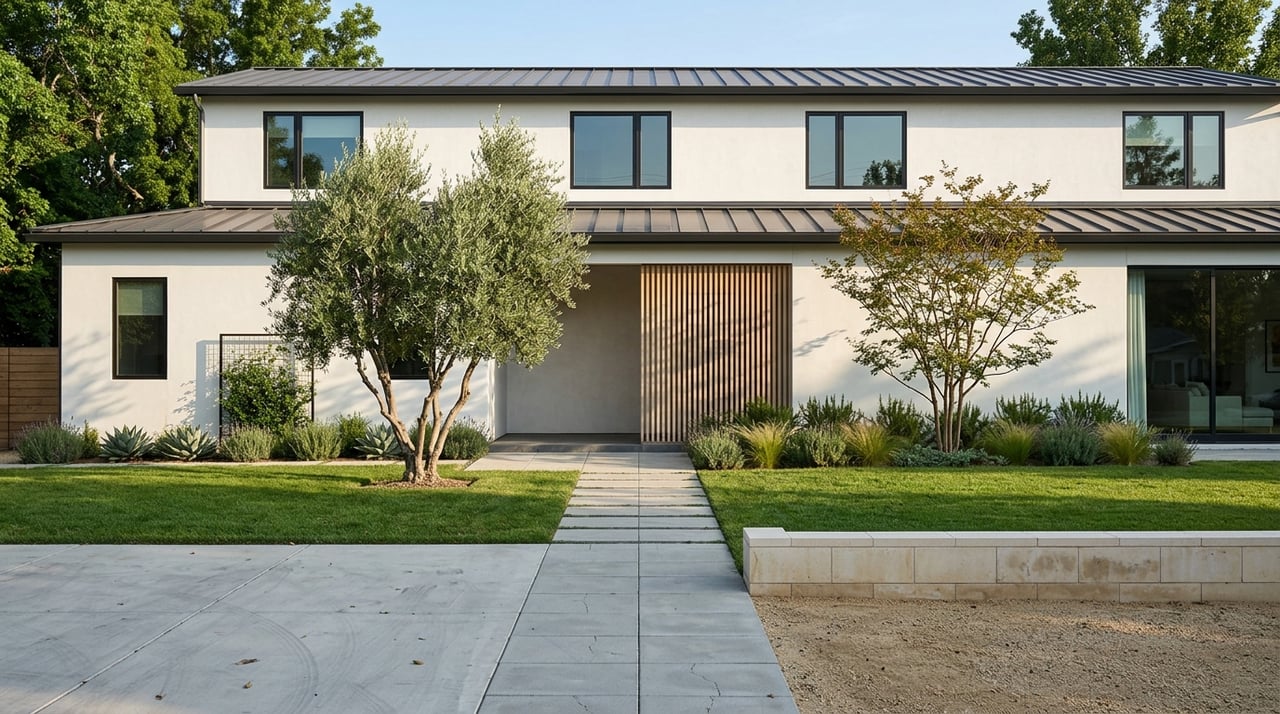
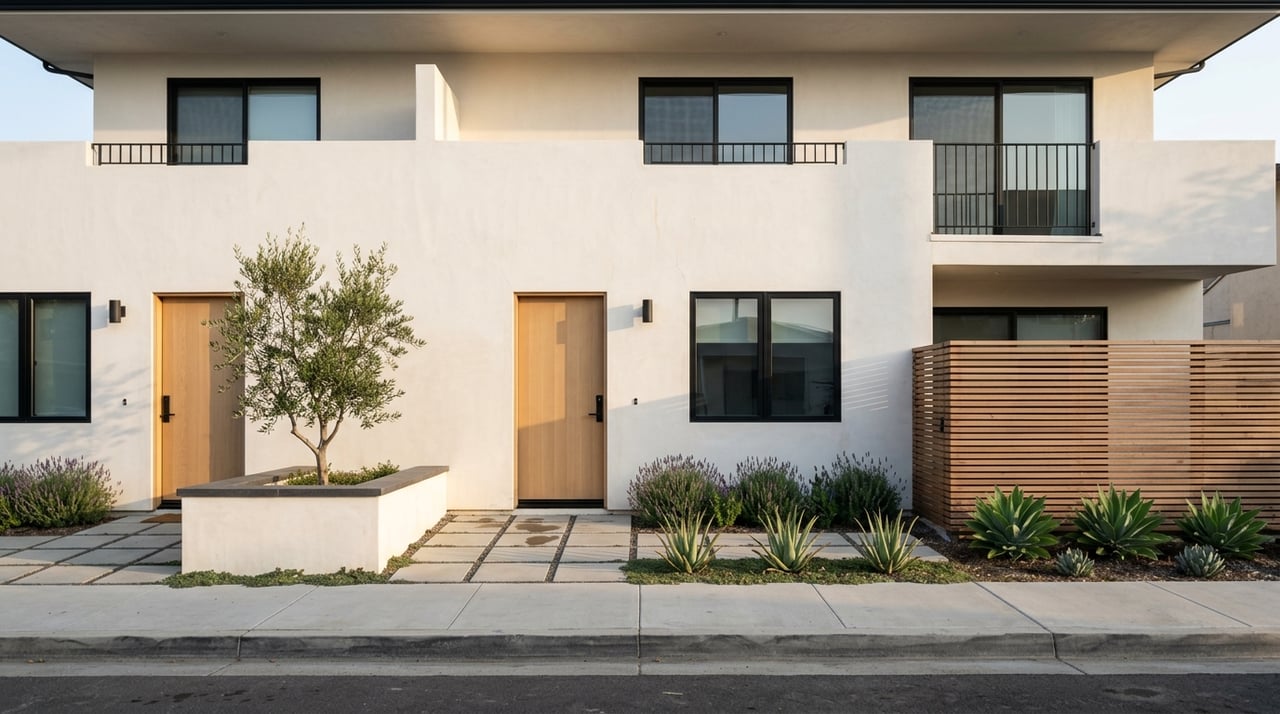
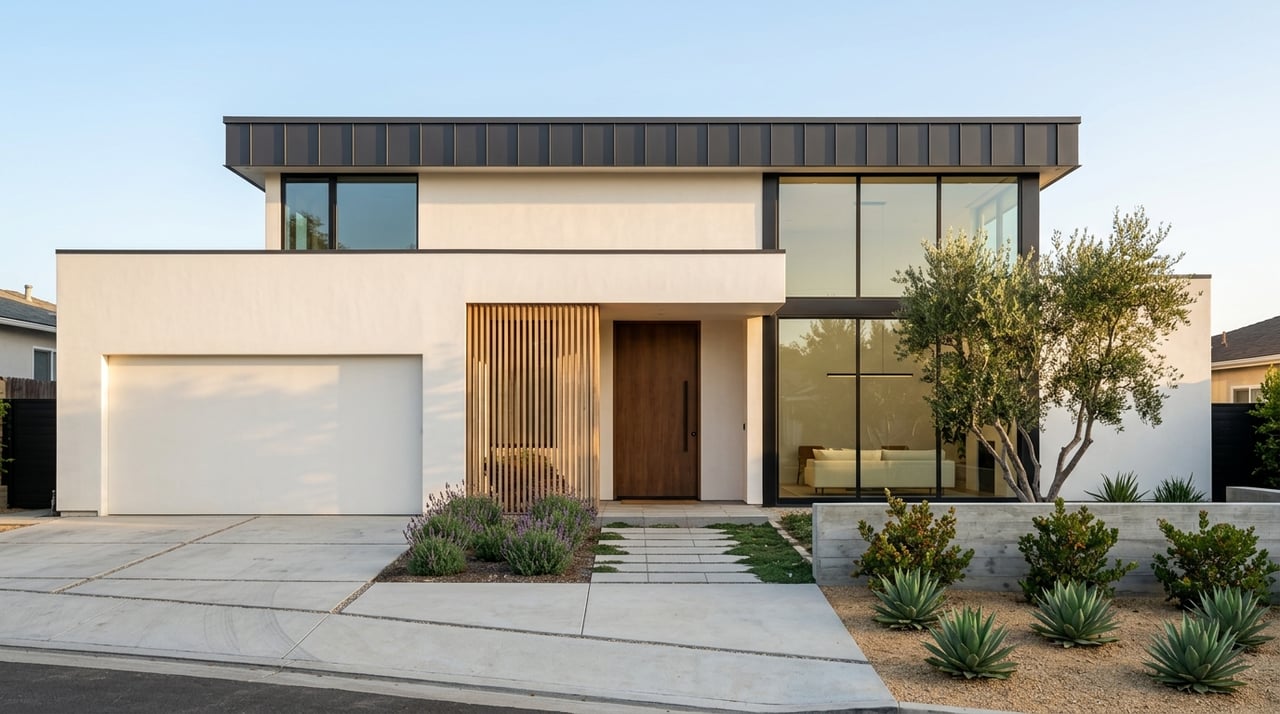
Architecturally, Studio City is mixed rather than uniform. Older pockets can include postwar and Ranch-style influences, while newer attached housing and updated properties bring in a more contemporary layer.
That mix is part of the neighborhood’s character. You are not looking at a master-planned community where every block feels the same. Instead, Studio City tends to offer a blend of older homes, remodeled properties, and newer residential construction.
If you care about charm, layout, or renovation potential, this matters. Two homes at similar price points can offer very different living experiences depending on age, lot size, level of updates, and street location.
Studio City Rental Prices
If you are not ready to buy, Studio City also offers a range of rental options. Zillow snapshots show about $2,250 for a one-bedroom apartment, around $3,095 for a two-bedroom unit, and about $6,200 for a three-bedroom house.
That spread tells you a lot about the local rental market. Attached rentals can offer a more accessible way into the neighborhood, while detached homes come at a much higher monthly cost.
For renters relocating within Greater LA, Studio City can make sense if you want neighborhood identity, dining access, and a better connection to the studio corridor or Hollywood side of town. The key is being realistic about how far your budget goes.
Dining on Ventura Boulevard
When people picture everyday life in Studio City, Ventura Boulevard is usually the reason. It is the neighborhood’s main restaurant and retail corridor, and it gives you a wide range of practical dining choices rather than just one signature scene.
That is useful in real life. You want a neighborhood where you can grab coffee, meet a friend for lunch, order takeout after work, or sit down for dinner without planning a big cross-town trip.
Current local examples reflect that variety. You will find sushi spots like Sushi Katsu-Ya and The Sushi House, Chinese food at Chin Chin, gastropub fare at Gray Tavern, American dining at The Six, pizza at California Pizza Kitchen, dessert at McConnell’s, and coffee or bakery options at Le Pain Quotidien.
Everyday Food Options
The biggest strength of Studio City dining is convenience. Ventura Boulevard supports casual meals, brunch, coffee runs, dessert stops, and quick errands in the same stretch.
That may sound simple, but it shapes how a neighborhood feels. When food, coffee, and daily basics are close together, you spend less time coordinating your routine and more time actually enjoying where you live.
For many buyers and renters, this is a major quality-of-life factor. Studio City is not just about where you sleep at night. It is about whether the neighborhood works on a Tuesday, not just on a weekend.
The Farmers Market Factor
The Sunday Studio City Farmers Market is one of the neighborhood’s strongest weekly anchors. According to the Studio City Chamber, it runs year-round from 8:00 a.m. to 2:00 p.m. on Ventura Place between Laurel Canyon and Radford, except for the Sunday between Christmas and New Year’s.
The market includes produce, prepared foods, and family activities. Even if you are not shopping there every week, having that kind of recurring community routine adds to the local rhythm.
For buyers comparing neighborhoods, this is one of those details that helps separate Studio City from places that feel more purely residential or more purely commercial. It gives the area a reliable weekly gathering point.
Parks and Outdoor Access
Studio City is not all traffic and storefronts. Local parks and trail options help round out the daily lifestyle side of the neighborhood.
Nearby spots mentioned by the city and Chamber include Wilacre Park, Fryman Canyon, Beeman Park, and Moorpark Park. These destinations help explain why Studio City can feel more residential and livable than a quick drive down Ventura Boulevard might suggest.
If outdoor access matters to you, this is a real advantage. You can pair a dense, useful commercial corridor with nearby places to walk, exercise, or spend time outside.
Studio City Commute Options
Commute is where expectations matter most. Studio City is transit-capable, but it is still very car-oriented in everyday life.
The main transit anchor is the Universal City/Studio City station, which Metro identifies as a B Line station with local bus service. For rail commuters, this is the simplest way to reach Hollywood and Downtown Los Angeles without driving.
Metro also lists service in the area on lines 155, 167, 218, 224, 230, and 240. Those lines connect Studio City to places including Burbank Station, Chatsworth, Hollywood, Beverly Hills via Laurel Canyon, North Hollywood, Northridge, and Universal City.
Driving in and Around Studio City
If you drive, Studio City’s location is a major part of the draw. Planning history and city information point to Cahuenga Boulevard and the Ventura Freeway as part of the area’s core connection to the broader Valley and to central Los Angeles.
That does not mean every commute is easy. It means Studio City is well placed for people who need access across multiple parts of LA, especially the media corridor, Hollywood side, and nearby Valley destinations.
For many residents, the reality is a split routine. You may drive most days, use Metro for specific trips, and choose housing partly based on how often you need to cross the pass or head deeper into the Valley.
Transit Costs and Practical Use
If transit fits your route, the cost is relatively manageable. Metro’s current fare is $1.75, with a $5 daily cap and free transfers within two hours.
That pricing can make rail or bus a useful option for commuters who do not want to rely on driving every day. Still, route fit matters more than fare alone in a neighborhood like Studio City.
The practical takeaway is simple: transit is a real benefit here, but not a complete substitute for a car for many households. When you are deciding whether Studio City works for you, your actual work and lifestyle routes should drive the decision.
Who Studio City Fits Best
Studio City tends to appeal to people who want a recognizable neighborhood identity with a strong daily-use corridor. It works well if you value dining variety, access to parks and trails, and a location that can connect you to both the Valley and central LA.
It may also make sense if you want housing choices beyond one format. Whether you are considering a condo, a detached home, or a rental, the neighborhood offers more variety than many buyers expect.
The tradeoff is cost. You are paying for location, convenience, and neighborhood appeal, so it is important to go in with a clear plan and realistic numbers.
What to Consider Before You Move
Before you buy or rent in Studio City, focus on the basics that affect your day-to-day life most:
- Your housing budget for either purchase or rent
- Your preferred home type, such as condo, apartment, or single-family home
- Your actual commute pattern, not your ideal one
- How important Ventura Boulevard access is to your routine
- Whether nearby parks, trails, and weekly market access matter to your lifestyle
That kind of clear filter makes the search much easier. It also helps you avoid chasing a neighborhood name without making sure the fit is right.
If you are weighing Studio City against other Greater Los Angeles neighborhoods, the smartest move is to compare housing options, commute tradeoffs, and daily convenience side by side. If you want straight, practical guidance on that process, Daniel Shalvardzhyan can help you evaluate your options and move forward with a clear plan.
FAQs
What is Studio City like for everyday living?
- Studio City offers a mix of residential streets, Ventura Boulevard dining and retail, nearby parks and trails, and a weekly farmers market that adds to the neighborhood’s day-to-day convenience.
How expensive is housing in Studio City?
- Recent data in the research report shows Studio City home prices are high, with Zillow reporting an average home value of about $1.60 million and a median sale price around $1.78 million, while Redfin shows a recent median sale price of $1.97 million.
What kinds of homes can you find in Studio City?
- Studio City includes single-family homes, condos, apartments, attached units, and multi-family properties, with a mix of older and newer housing stock.
What are rental prices like in Studio City?
- Research snapshots show a wide rental range, including about $2,250 for a one-bedroom apartment, around $3,095 for a two-bedroom unit, and about $6,200 for a three-bedroom house.
Is Studio City good for commuting to Hollywood or Downtown LA?
- Studio City can work well for those routes because the Universal City/Studio City station connects to Metro’s B Line, which provides direct rail access to Hollywood and Downtown Los Angeles.
Do you need a car when living in Studio City?
- Many residents still rely on a car because Studio City is car-oriented in everyday life, even though Metro rail and bus service provide useful options for some commutes.
What is the main dining area in Studio City?
- Ventura Boulevard is the neighborhood’s main dining and retail corridor, with a broad mix of restaurants, coffee spots, dessert options, and everyday errands.
Does Studio City have a farmers market?
- Yes. The Studio City Farmers Market runs on Sundays from 8:00 a.m. to 2:00 p.m. year-round except for the Sunday between Christmas and New Year’s, according to the Studio City Chamber.