You fell for Silver Lake’s light, views, and character. Now the photos have you wondering what those flat roofs, steel windows, and stucco arches really mean for daily living and long-term costs. You are not just picking a style. You are choosing a building system that affects inspections, permits, and your budget. This guide shows you how to read Silver Lake’s architecture like a pro so you can make a confident offer. Let’s dive in.
Why Silver Lake architecture matters
Silver Lake blends early 1900s bungalows and Mediterranean homes with a rare concentration of Modern and Mid-Century houses around the reservoir and hills. That mix is part of the neighborhood’s appeal and gives you a wide range of floor plans and materials to consider. You can preview common styles and their cues in the local overview from the Silver Lake community archive.
The reservoir, hillsides, and several city-recognized landmarks shape what you can change and what it might cost. The reservoir complex and area context are documented in the city’s environmental review for the Silver Lake Reservoir Master Plan, which also notes cultural resources. If you are eyeing Mid-Century, Silver Lake’s modernist identity is well established in Los Angeles’ official study of 20th‑century design; see the city’s survey of LA Modernism, 1919–1980.
The styles you’ll see
Mid‑Century Modern
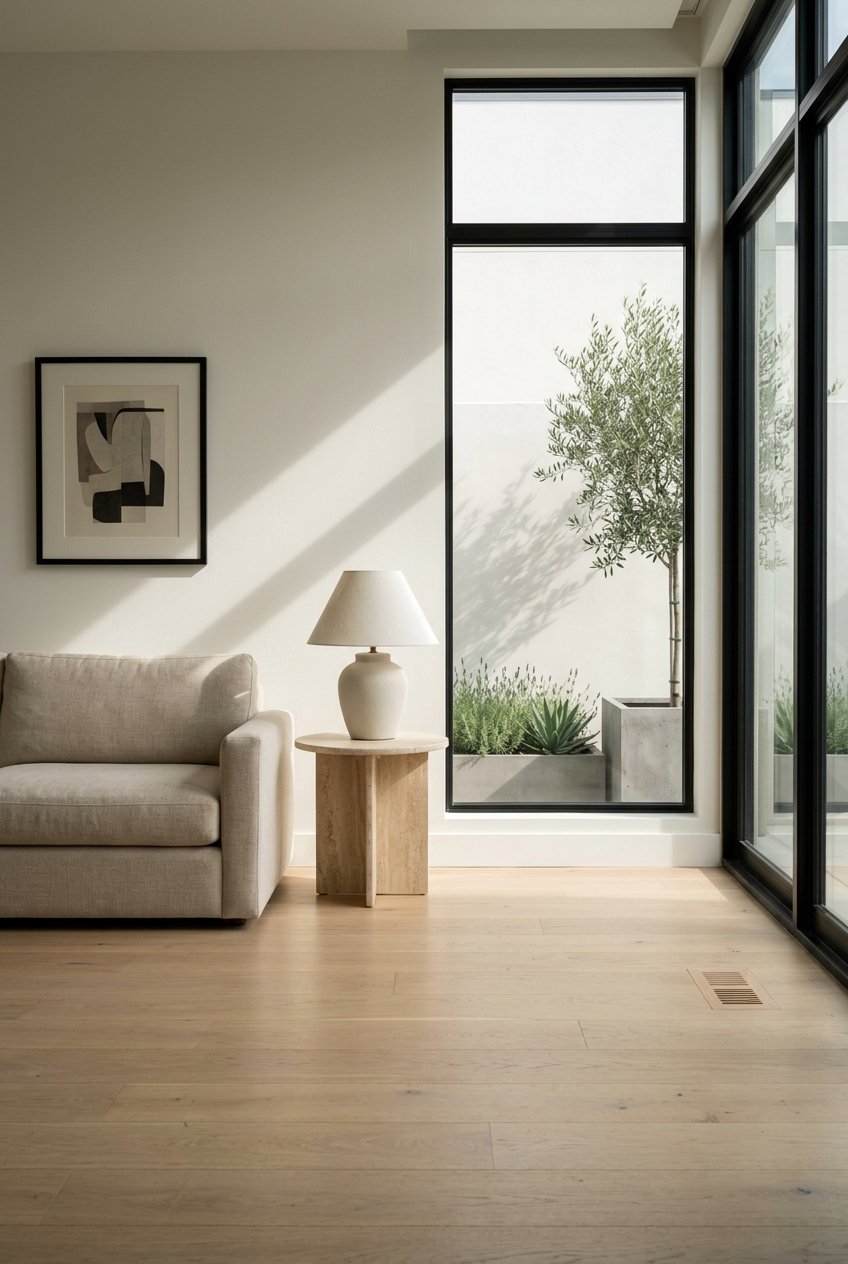
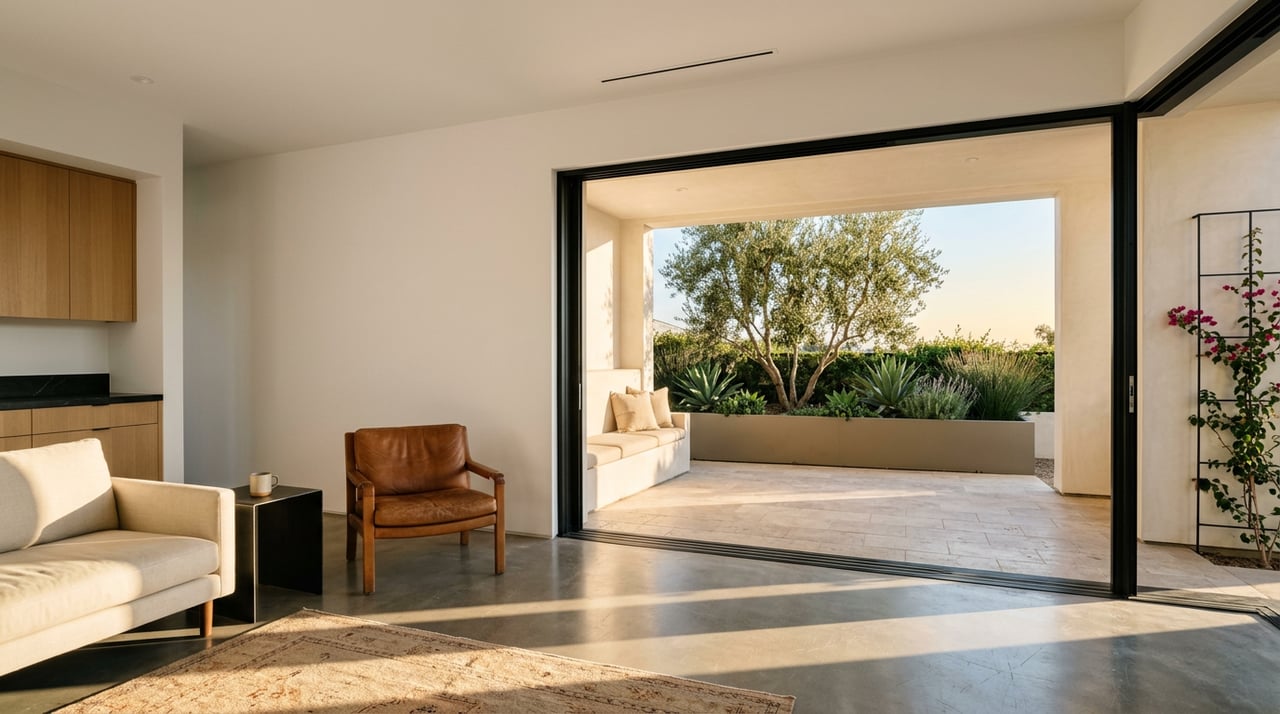
- Visual cues: Low or flat roofs, long horizontal lines, large panes of glass, and post-and-beam framing that creates wide openings and slim window frames.
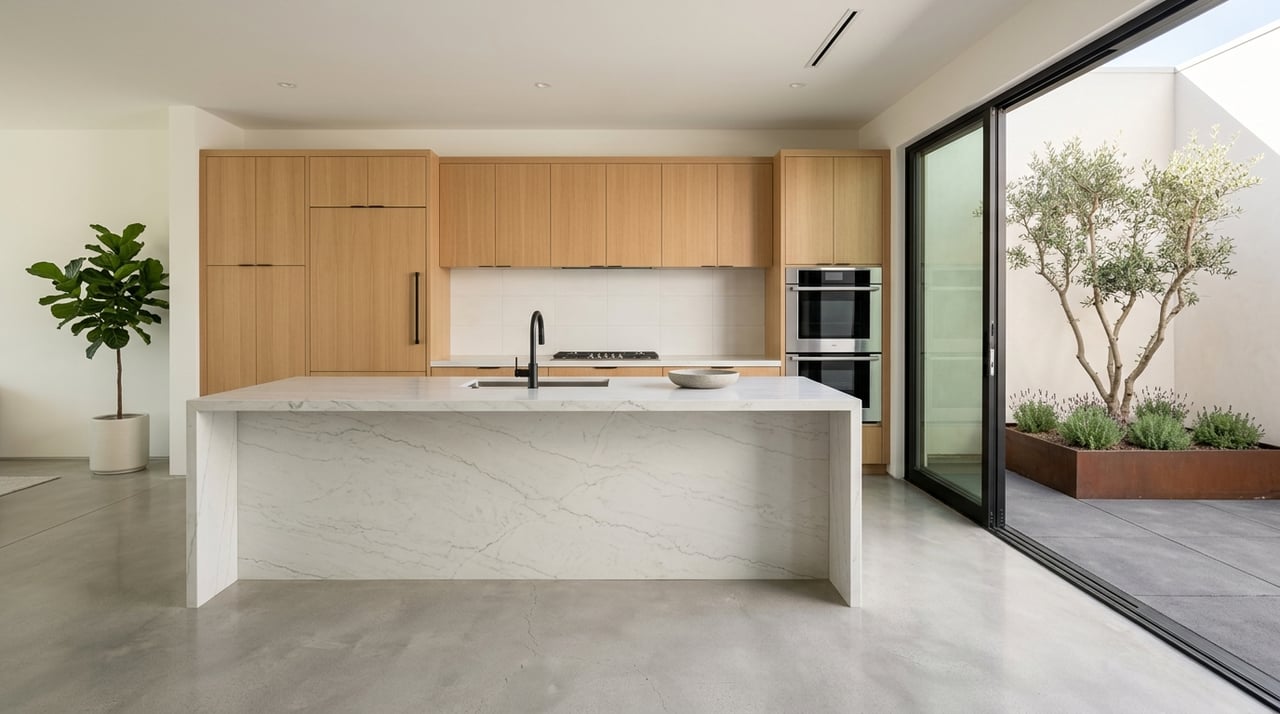
- Layout: Open kitchen, living, and dining areas, plus strong indoor-outdoor flow to patios and terraces. Many are single-story or split-level to follow the slope.
- Maintenance flags: Low-slope roofs rely on membranes that need periodic care and eventual replacement. Review drainage and roof life with a roofer, and budget for membrane work using guidance like This Old House’s overview of rubber roof costs. Original steel or single-pane windows are beautiful but inefficient; replacements that keep thin sightlines can be expensive.
Spanish Colonial and Mediterranean Revival
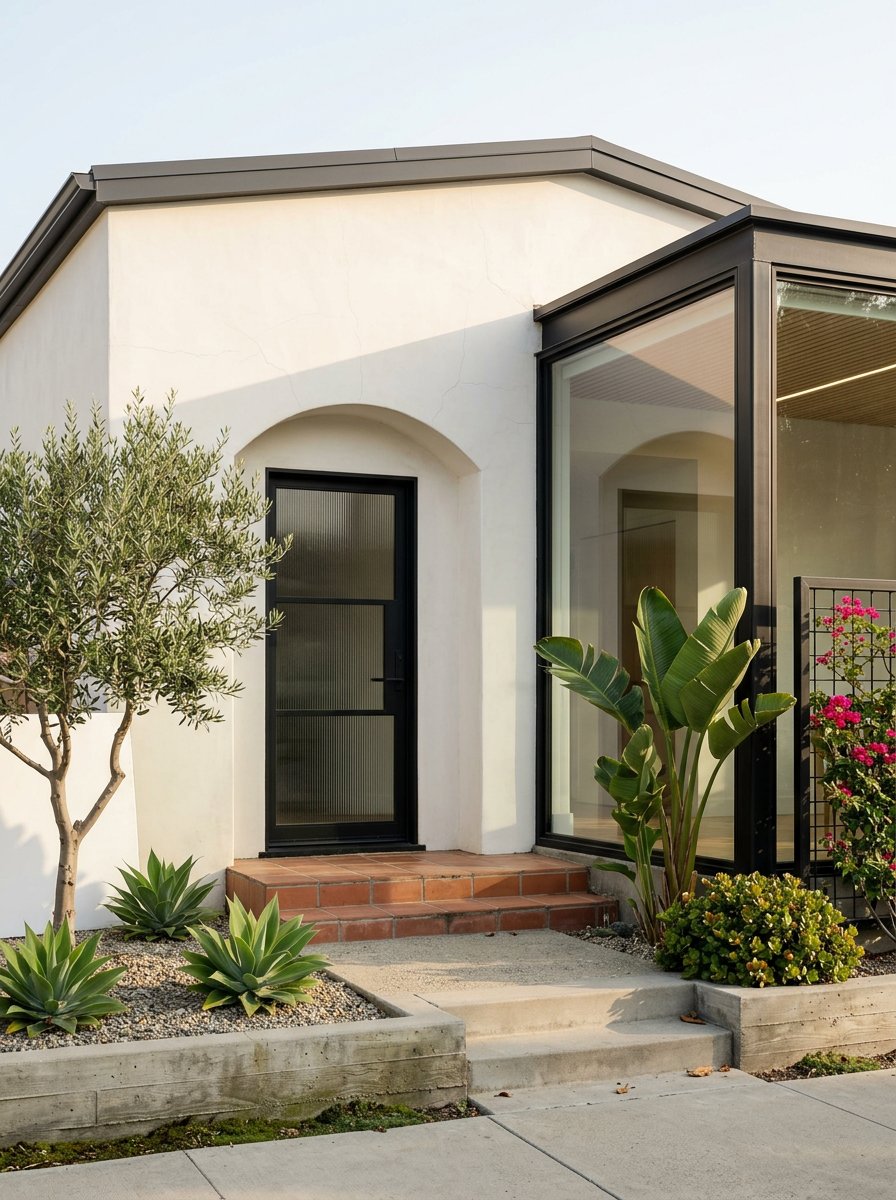
- Visual cues: Stucco walls, red clay tile roofs, arches, courtyards, and decorative tile.
- Layout: Often more compartmentalized with formal living and dining rooms and a separate kitchen. Cozy and romantic, but not always open-plan.
- Maintenance flags: Clay tile roofs can last decades but are heavy and costly to replace; factor the higher end of roof budgets using resources like HomeAdvisor’s California roof cost overview. Watch stucco at roof edges, windows, and planters for moisture risks, as highlighted in National Park Service style guidance on Spanish Colonial Revival.
Craftsman and California Bungalow
- Visual cues: Low-pitched gables, wide eaves with exposed rafters, deep porches, and rich woodwork with built-ins.
- Layout: Compact footprints with defined rooms, often centered on a fireplace. Expect smaller original kitchens and baths, plus limited storage.
- Maintenance flags: Preserve original millwork where possible. Plan for upgrades to older wiring, plumbing, and insulation, and check for termite activity in porch and roof elements.
Streamline Moderne and Minimal Traditional
- Visual cues: Simplified forms, minimal ornament, occasional curved corners, and terra-cotta or plaster accents.
- Layout: Straightforward room arrangements. Some examples used masonry or hollow-tile walls, which call for specific repair methods.
Contemporary infill and hillside moderns
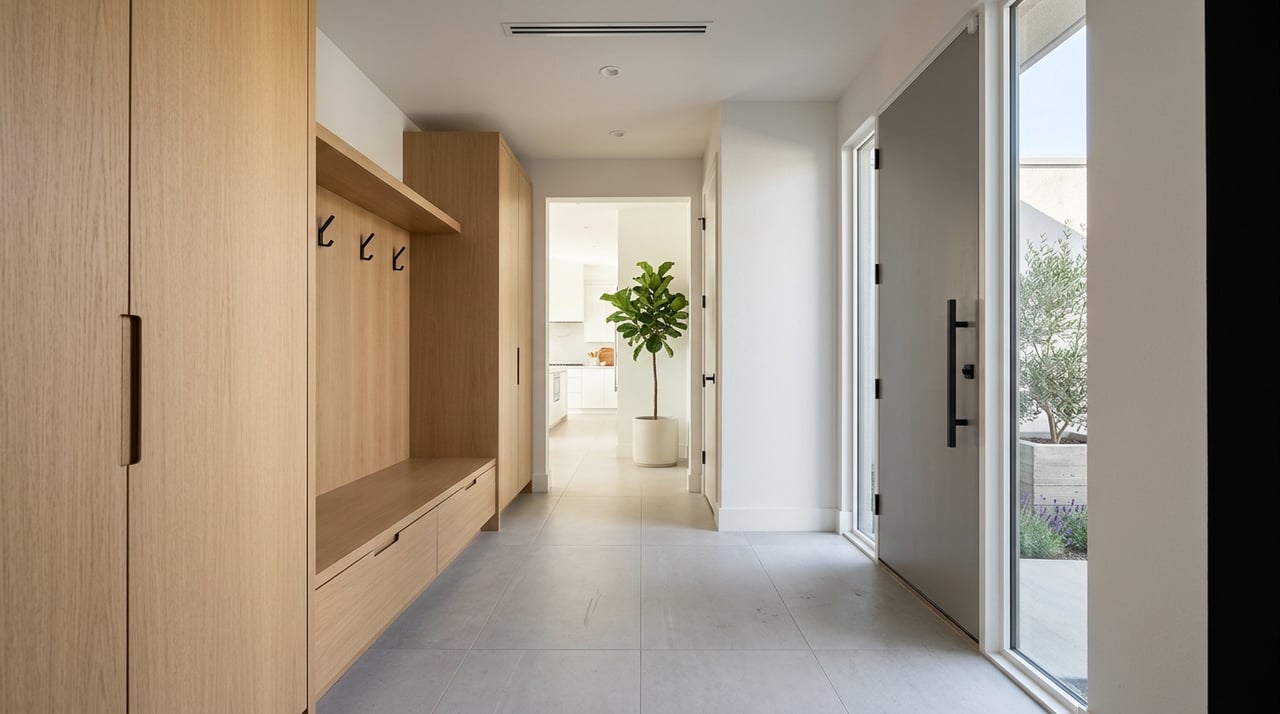
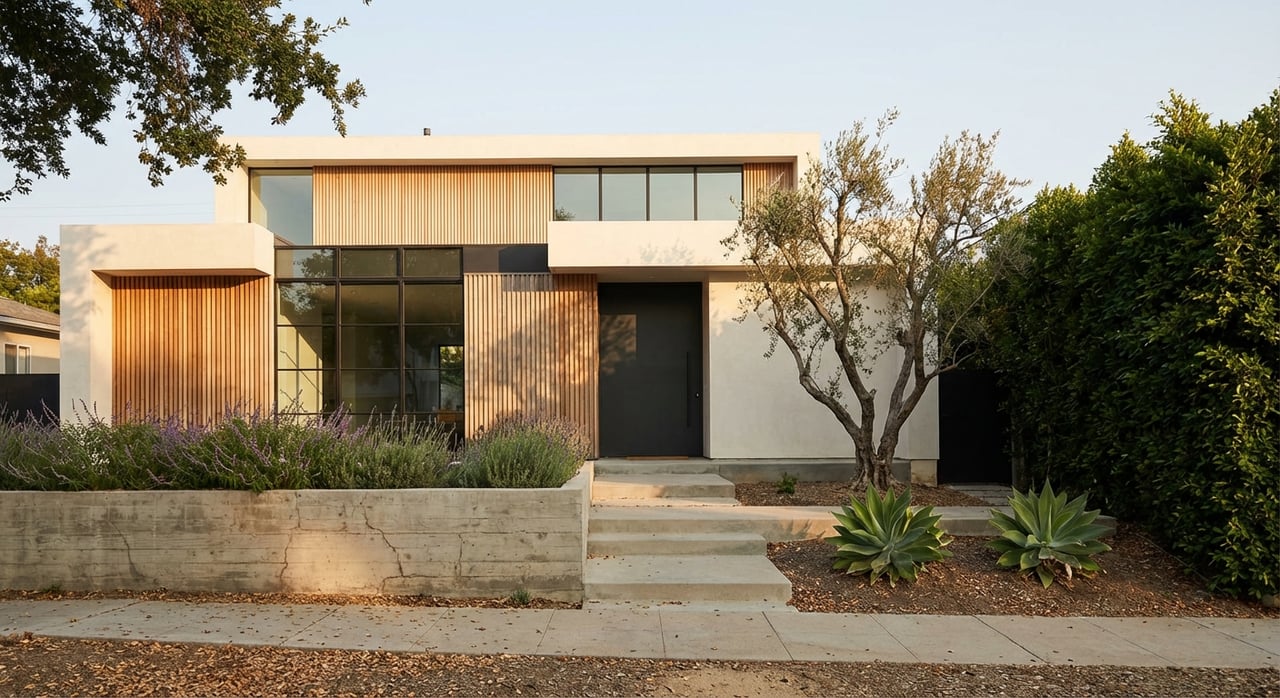
- Visual cues: Multi-level volumes that stack to capture views, large window walls, and crisp, modern finishes.
- Layout: Vertical living with open main levels and bedroom floors above or below. Often built on complex lots that require extensive site work.
- Maintenance flags: On steep sites, foundations, grading, and drainage drive both permitting and cost. Expect detailed engineering and potential discretionary reviews, as outlined in this Los Angeles permitting overview.
What style means for inspections and permits
Hillside and structure
If the home sits on a slope, ask for soils and grading history and any retaining wall permits. Engage a structural engineer early when you see split levels, big window walls, or older post-and-beam framing. Complex hillside work can extend timelines and budgets.
Roof type and remaining life
Flat or low-slope roofs common on Mid-Century homes use membranes that need cyclical replacement. Start with an on-roof inspection and a ballpark budget using resources like This Old House’s guide to rubber roofing. Clay or concrete tile roofs on Spanish homes last a long time but cost more to replace and may require structural checks.
Windows and energy
Single-pane steel or wood windows are character-defining but inefficient. True-to-period insulated replacements are pricey, and slim-frame systems can trigger higher costs. The city’s LA Modernism study explains why these features matter.
Electrical, plumbing, and materials
Older homes can have knob-and-tube wiring, older panels, and galvanized plumbing. Build in time and budget for rewiring, panel upgrades, and abatement if lead paint or asbestos are present. A practical primer like This Old House’s electrical inspection checklist helps you frame questions for your inspector.
Termites and wood repairs
Southern California has dry-wood and subterranean termites. A pest inspection is standard in escrow, and repairs can add up if damage reaches structural members. Review common trouble spots from this Los Angeles inspection guide.
Historic status and permits
Confirm if the property is a designated Historic-Cultural Monument or flagged in city surveys. Historic recognition often affects exterior changes and review steps. The cultural resources context around the reservoir in the Silver Lake Reservoir Master Plan DEIR shows how designations sit within the neighborhood.
Remodel triggers that expand scope
Major wall removals or additions can trigger code upgrades. In flood-related contexts, substantial improvement rules can require full compliance beyond your immediate project. Read FEMA’s plain-language overview of the 50 percent substantial improvement threshold and confirm specifics with the city.
Quick buyer checklist
- Identify the likely style from listing photos and flag risk areas: flat roof, expansive glazing, older stucco, steep slope, or visible grade changes.
- Pull city records early. Ask for permit history and check for any historic designations before you plan exterior changes.
- Order targeted inspections alongside a general home inspection: structural for hillside or big-span framing, roofing, electrical, plumbing, and termite.
- Get 2–3 ballpark bids during contingency: roofing, windows, electrical, drainage or retaining walls, and any historic-sensitive exterior work.
- Keep character where it drives value. Plan to preserve original millwork, tile, and built-ins or budget for faithful replication.
Typical LA budget ranges
- Flat or low-slope roof membranes: mid thousands to low five figures for modest homes; complex roofs and rooftop decks can reach the high five figures.
- Clay or concrete tile roof replacement: typically mid to high five figures depending on size and tear-off complexity.
- Full-house rewiring and panel upgrades: often a few thousand to five figures based on square footage and access; get a licensed electrician’s estimate.
- Termite treatment and repairs: from a few hundred for spot treatment to multiple thousands if structural replacements are needed.
Local context worth knowing
Silver Lake’s modernist reputation is anchored by the reservoir area and architect-designed homes, including the Neutra VDL Research House. Public tours and archives at the Neutra VDL Studio & Residences give helpful context when you are evaluating Mid-Century details.
Ready to zero in on the right home and avoid surprise costs? If you want a straight, fast read on what a listing’s photos are telling you and which inspections to prioritize, reach out to Daniel Shalvardzhyan. I will help you focus your search, price risk, and negotiate with confidence.
FAQs
What makes Silver Lake Mid‑Century homes distinct?
- Broad glass walls, low or flat roofs, and post-and-beam framing deliver open plans and indoor-outdoor flow, but they also call for membrane roof care and energy upgrades.
How do historic designations affect renovations in Silver Lake?
- City-recognized properties often require design review for visible exterior changes, which can add steps and limit certain alterations; verify status before you plan work.
What should I ask about a hillside home near the reservoir?
- Request soils and grading records, retaining wall permits, and drainage history, and budget for engineering and possible discretionary reviews if you plan additions.
Are flat roofs a dealbreaker for buyers in Los Angeles?
- Not necessarily; they are common on Mid-Century homes and can perform well with proper membranes and drainage, but they demand more frequent maintenance and eventual replacement.
How can I keep a Craftsman or Spanish home’s character during a remodel?
- Preserve or carefully replicate defining elements like woodwork, built-ins, tile, and stucco details, and plan upgrades that conceal modern systems without erasing original features.