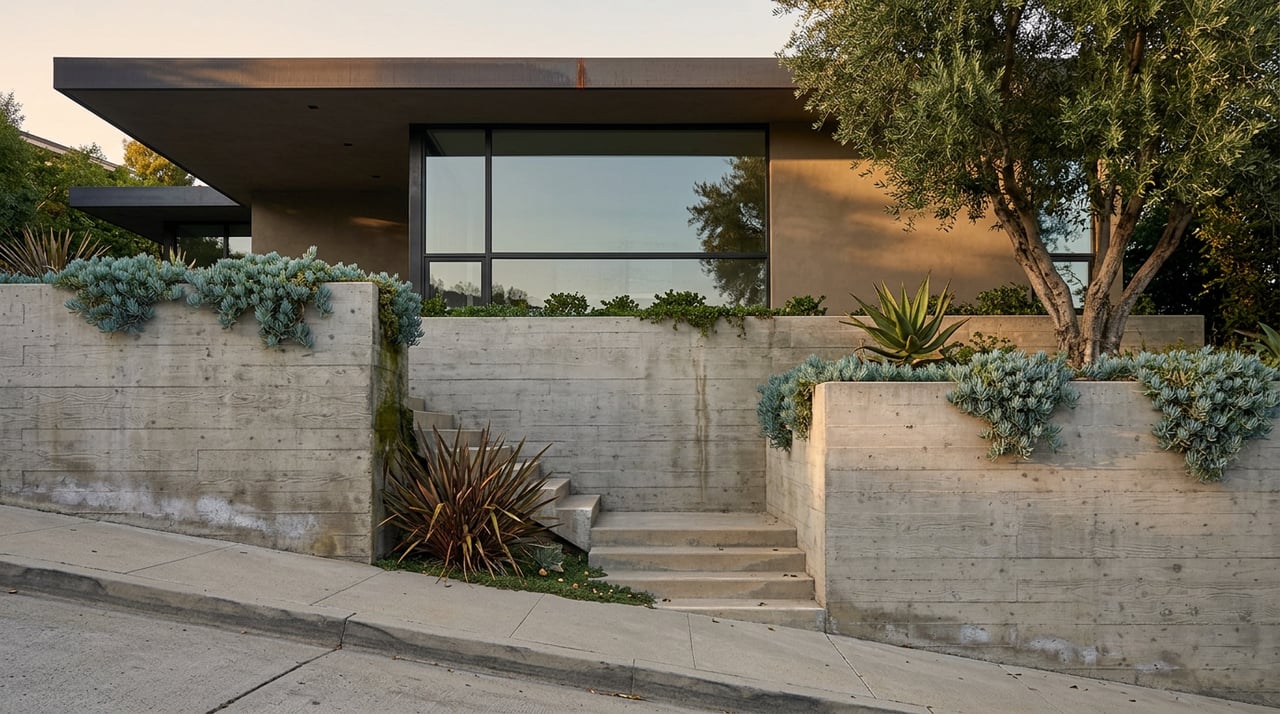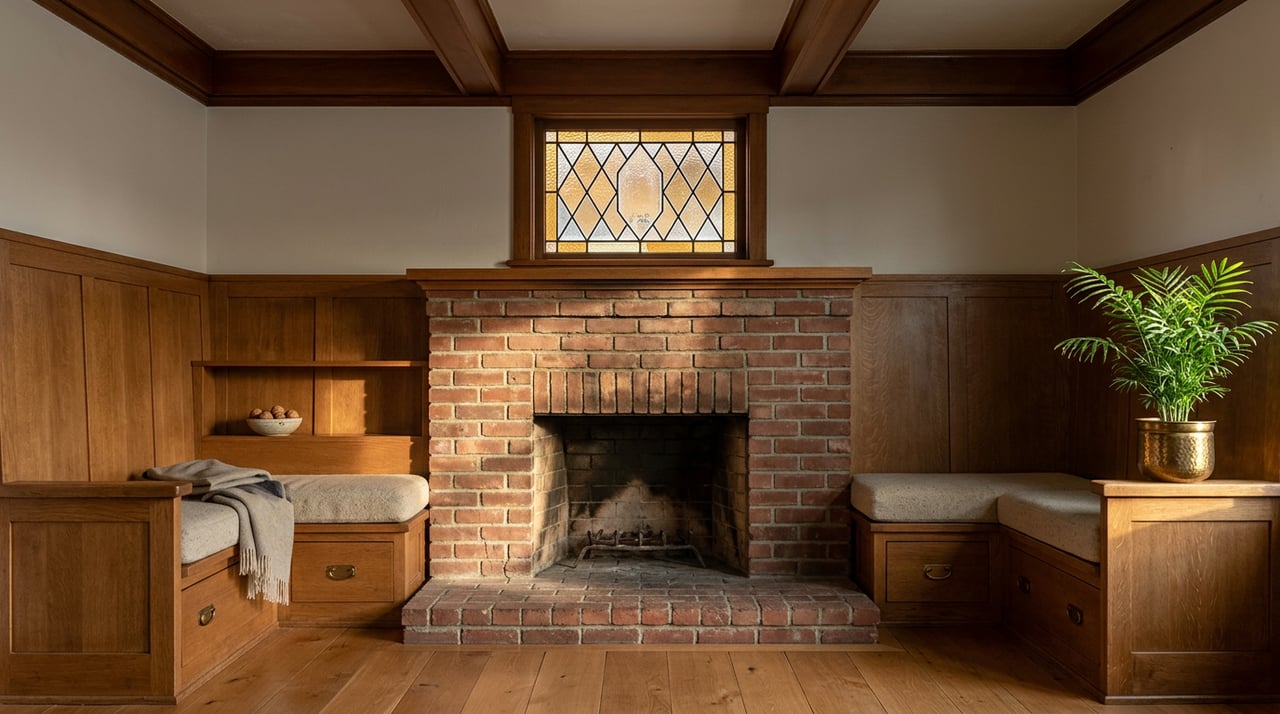
A seller in Bungalow Heaven decides to swap a cracked window before listing, the kind of fix that takes an ordinary contractor an afternoon. She calls a window company on a Tuesday expecting a quote and an install date within the week. What she gets instead is a question she didn't expect: is the house in a landmark district, and if so, has anyone filed for a Certificate of Appropriateness yet? The window was never the project. The paperwork was.
Multiply that by three, because a Bungalow Heaven bungalow doesn't come with one historic rule to plan around. It comes with three, and each one runs on its own clock, applies to a different party, and rewards or penalizes a different decision. Most buyer guides treat historic designation as a single line item on a disclosure form. That's where they miss where the actual friction sits.
The review clock starts before you list, not after
Exterior work on a contributing structure inside Bungalow Heaven or any of Pasadena's other landmark districts typically requires a Certificate of Appropriateness before a permit gets issued. The application goes through the Design and Historic Preservation counter at the Pasadena Permit Center at 175 North Garfield Avenue, and the Bungalow Heaven Neighborhood Association is direct about who carries the responsibility: the property owner, not the contractor, is on the hook for getting the right permits pulled.
Review length depends on scope. Straightforward requests that a planner can approve at the staff level move faster. Anything that lands in front of the Historic Preservation Commission for a hearing runs closer to two months. That gap matters because sellers rarely budget for it. A pre-listing window swap or a porch repair that would clear in days almost anywhere else can sit in queue for weeks in a landmark district, which means the decision to start that paperwork has to happen before you set a list date, not after your agent tells you the house is ready to photograph.
There's a partial exemption worth knowing before you panic: paint color is typically outside the scope of historic review in Pasadena, and interior work generally doesn't trigger it either. The clock only starts running for changes visible from the street on a structure the city considers contributing to the district's character.
Pasadena runs its own utility, and that changes who answers the phone
Nearly 30 percent of Pasadena's housing stock was built before 1940, back when knob-and-tube wiring was the standard method, and it still turns up active behind walls in Bungalow Heaven, Madison Heights, and the Historic Highlands. When an inspection flags it and a buyer wants a panel upgrade, the project runs into a second piece of friction that has nothing to do with historic review: Pasadena is one of the few cities in the region with its own municipal utility, Pasadena Water and Power, rather than Southern California Edison. An electrician who assumes SCE and starts the coordination process with the wrong utility loses time sorting that out before the actual work can begin. It's a small distinction, but it's exactly the kind of thing a contractor from outside Pasadena gets wrong on the first project and remembers permanently on the second.
What the inspection is actually going to flag
The systems behind a Craftsman's woodwork are consistent enough across the 1900-to-1930 stock that an inspection report on one Bungalow Heaven house reads a lot like the report on the next one.
| What shows up | Why it's there | What buyers typically request |
|---|---|---|
| Knob-and-tube wiring, 60 to 100 amp service, amateur splices behind plaster | Common in homes from this era that were never fully rewired | Panel upgrade coordinated through PWP |
| Original galvanized steel supply lines | Rust from the inside out, restricting flow long before they leak | Repipe estimate before close |
| Clay or cast-iron sewer laterals | Root intrusion on mature, tree-lined lots, damage invisible until a backup | Sewer camera scope |
| Raised foundation over crawl space with unbraced cripple walls | Standard construction method for the period | Foundation contractor evaluation of anchoring and bracing |
None of this is unusual for a hundred-year-old house anywhere. What's specific to Bungalow Heaven is that fixing any of it on the exterior, or in a way visible from the street, routes back through the same Certificate of Appropriateness process described above. A sewer repair is invisible and moves fast. A foundation vent replacement on the front elevation might not.
The Mills Act math resets the day you buy
Here's the part that most guides get backward. Pasadena adopted its Mills Act program by ordinance in October 2002, and a contract under it runs an initial 10-year term, renews automatically each year, and transfers to the next owner when the house sells. Past participants have reported property tax savings ranging from 20 to 75 percent, averaging somewhere near 50 percent, which is the number that shows up in almost every listing description for a Mills Act property.
What doesn't show up in the listing description is that the city itself says there's no guaranteed savings. The county assessor calculates the Mills Act value using an income-based approach, and that figure only produces a discount if it comes in lower than what the assessed value would otherwise be. For an owner who's held the house for twenty years under a low Proposition 13 base-year assessment, that comparison can be close, or it can flip, and the Mills Act valuation can land higher than what they've been paying for years.
Buying the house resets that comparison entirely. A sale is a reassessment event under Prop 13, which means your baseline moves to something much closer to your purchase price, not the seller's decades-old number. The same Mills Act contract that saved the previous owner real money every year might save you very little, or it might save you a great deal, depending entirely on where your purchase price lands relative to the income-based Mills valuation. The discount doesn't travel with the house the way a lower price tag would. It travels with a math problem that has to be solved fresh at your specific number, and Pasadena caps how many new contracts it approves each year, so you can't count on adding one later if the one already attached to the house doesn't work in your favor.
Before you write the offer
- Ask for the property's permit and Certificate of Appropriateness history, not just the disclosure summary
- If a Mills Act contract is attached, get the actual contract and confirm the maintenance plan and inspection schedule, since you inherit both
- Run the Mills Act comparison against your likely purchase price before assuming the seller's tax bill becomes yours
- Schedule a sewer camera scope on any home with original drain lines before your inspection contingency expires
- If you're planning a renovation, an informal conversation with Design and Historic Preservation staff before you remove contingencies can tell you whether your plan clears at staff level or needs a Commission hearing
Before you set a list date
- Separate what's exempt (paint, interior work) from what's visible from the street and start the Certificate of Appropriateness process for the latter well before your target listing week
- Pull your own permit history so buyers aren't discovering surprises during their diligence period
- If your home carries a Mills Act contract, have your compliance and maintenance records ready, since a buyer's lender or agent will likely ask
A few questions that come up often
Does every exterior project in Bungalow Heaven need a Certificate of Appropriateness? No. Paint color is typically exempt, and interior work generally falls outside historic review. The threshold is whether the change is visible from the street on a structure the city treats as contributing to the district.
Do Mills Act contracts transfer automatically when a historic home sells? Yes. They run with the property and bind the new owner for the remainder of the term. What doesn't transfer automatically is the tax outcome, which depends on your purchase price, not the seller's history.
Who handles an electrical panel upgrade in Pasadena? Pasadena Water and Power, not Southern California Edison. It's worth confirming your electrician knows this before the project starts, since assuming the wrong utility is a common source of delay.
Historic character is exactly what draws people to Bungalow Heaven, and none of this changes that. It just means the paperwork clock and the tax math both need to start before your offer or your listing does, not after. If you're weighing a purchase in a Pasadena landmark district or wondering what your own historic home is actually worth once all of this is accounted for, SoCal Dan can walk through the specifics with you. Get a Free Home Valuation to start that conversation.